Uncovering the Secrets of Auto Repair: Crucial Services Every Driver Should Understand
Car repair can often feel overwhelming for many drivers. Yet, comprehending key maintenance services is vital for vehicle lifespan and security. Scheduled tasks, such as oil changes and brake inspections, play a crucial role in stopping major issues. Familiarity with these essential services can save both time and money. As drivers explore the complexities of vehicle care, they may wonder about the specific steps they can take to ensure peak performance.
Why Oil Changes Are Essential
Regularly changing the oil in a vehicle is critical for preserving its efficiency and longevity. Engine oil plays a significant role in oiling moving parts, decreasing friction, and dissipating heat. Over time, oil can get polluted with dirt, debris, and metal particles, leading to diminished effectiveness. This degradation can result in increased engine wear and potential overheating, ultimately diminishing the vehicle's lifespan.
Most vehicle makers advise specific oil change intervals, typically ranging from 3,000 to 7,500 miles, depending on the type of vehicle and oil used. Adhering to these guidelines delivers superior engine health and efficiency. Additionally, using the proper oil grade, as specified in the owner's manual, contributes to better fuel economy and performance. Regular oil changes not only protect the engine but also increase overall vehicle reliability, making it an integral aspect of routine maintenance that every driver should give priority to.
Comprehending Braking System Upkeep
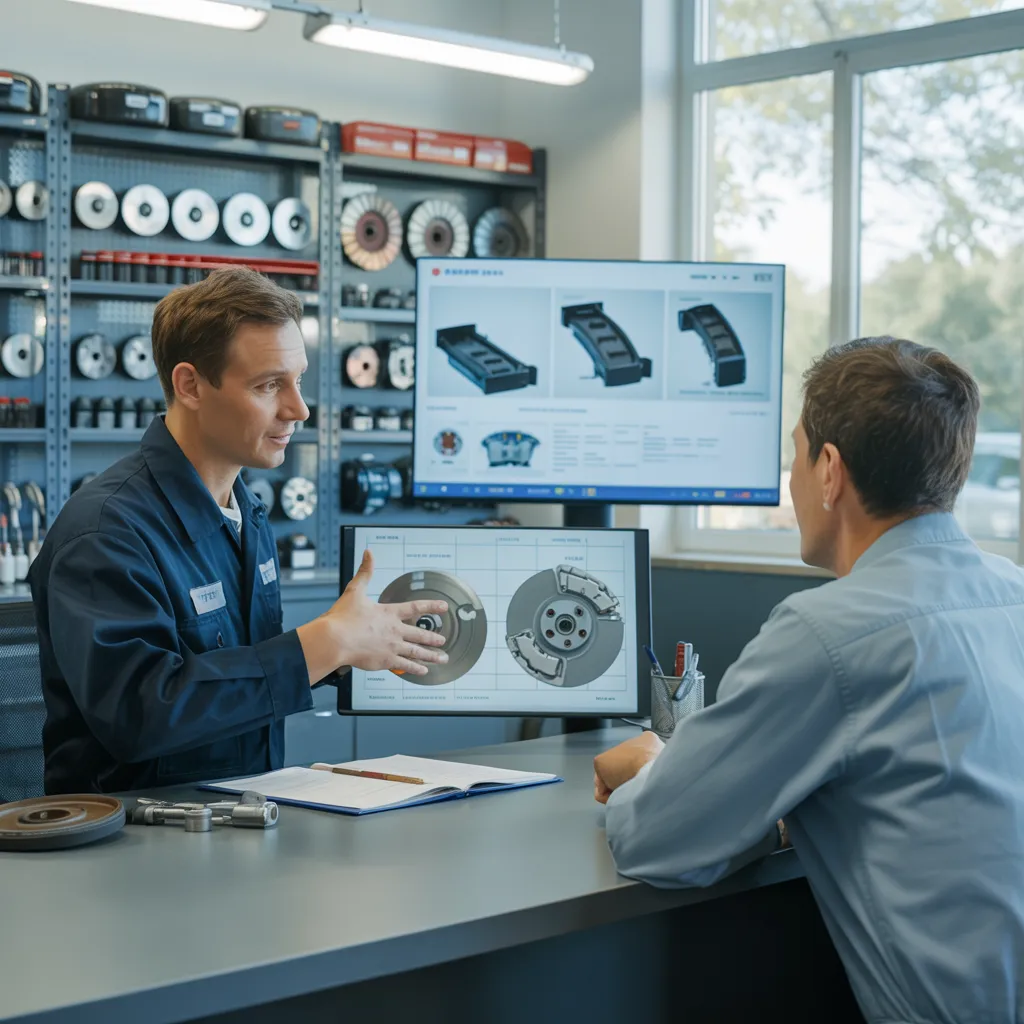
Maintaining the braking system is as vital as guaranteeing proper engine function. A vehicle's brakes are vital for safety, requiring regular inspection and maintenance to perform effectively. Drivers should be informed about key components, such as brake pads, rotors, and fluid. Over time, brake pads wear down and may require replacement, while rotors can become distorted or damaged, affecting performance. Brake fluid should also be examined and replaced periodically, as it absorbs moisture and can result in corrosion.
Brake issue warning signs include odd noises, a soft feeling when depressing the pedal, or a warning light on the dashboard. Taking care of these symptoms promptly can avert more significant problems and enhance safety on the road. Consistent maintenance, including qualified inspections and prompt replacements, is critical for keeping the braking system in optimal condition. Drivers should emphasize brake care as read here part of their total vehicle maintenance routine to guarantee safe and reliable driving experiences.
Tire Rotation and Care Essentials
Tire maintenance and regular rotation are vital aspects of vehicle maintenance that substantially influence safety and performance. Regularly maintaining tires can increase their durability and improve fuel efficiency, while periodic rotations help ensure even wear. Drivers should also be aware of the symptoms of tire deterioration to handle issues before they compromise vehicle safety.
Significance of Tyre Care
While many drivers overlook the significance of proper tire maintenance, it plays an essential role in ensuring vehicle safety and performance. Tires are the sole contact point between a vehicle and the road, making their condition critical for effective handling and braking. Routinely inspecting tire pressure, tread depth, and overall condition can prevent blowouts and increase fuel efficiency. Additionally, maintaining proper alignment and balance helps disperse weight evenly across all tires, reducing uneven wear. Drivers should also consider seasonal changes that can impact tire performance. By focusing on tire maintenance, motorists can improve their driving experience, extend tire lifespan, and contribute to overall road safety, ensuring a smoother and more reliable journey.
Advantages of Regular Rotation
Routine tire rotation is vital for optimizing tire lifespan and maintaining maximum vehicle performance. Tires wear unevenly as a result of differences in weight distribution and driving habits. By regularly rotating tires, drivers can encourage even tread wear, which improves traction and stability on different road surfaces. This practice not only aids in maintaining proper handling but also improves fuel efficiency by allowing tires to perform uniformly. Moreover, consistent rotations can prevent premature tire replacement, ultimately saving drivers money in the long run. Mechanics typically advise rotating tires every 5,000 to 7,500 miles, depending on vehicle type and usage. Highlighting the importance of tire rotation fosters a proactive approach to vehicle maintenance, resulting in safer driving experiences and extending the life of the tires.
Tire Wear Signs
Understanding the indicators of tire wear is crucial for ensuring vehicle safety and performance. Drivers should frequently inspect their tires for uneven tread wear, which might indicate alignment issues or incorrect inflation. A tread depth gauge can help identify if tires are worn down beyond the safe limit, typically 2/32 inch. Additionally, visible cracks or bulges on the tire sidewall signal deterioration and potential failure. Drivers should also watch for vibrations or pulling sensations while driving, which can signal underlying tire concerns. Regular tire rotation every 5,000-7,000 miles can help guarantee even wear, extending tire life. By recognizing these indicators, drivers can take preventive measures to guarantee their tires remain safe and effective.
Maintaining Your Battery in Optimal Performance
Keeping up with a vehicle's battery is essential for trustworthy performance. Proper battery care consists of regular maintenance, spotting signs of weakness, and knowing when to replace it. Understanding these aspects can help confirm a vehicle remains in optimal condition and avoids unexpected breakdowns.
Essential Battery Maintenance Advice
Guaranteeing optimal battery performance requires attention and care. Routinely inspecting battery terminals for corrosion is essential, as buildup can hinder performance. Drivers should scrub the terminals with a mixture of baking soda and water, making sure connections are secure. Furthermore, tracking the battery's fluid level is essential; low levels may suggest a need for maintenance or replacement. It is also helpful to keep the battery charged, particularly during extreme weather conditions, as temperature fluctuations can affect performance. Drivers should prevent short trips that hinder the battery from fully charging. Finally, having the battery tested each year can help discover potential issues before they develop, guaranteeing reliable vehicle operation and prolonging the battery's lifespan. Correct maintenance encourages efficiency and longevity in vehicle batteries.
Symptoms of Failing Battery
Spotting the symptoms of a weak battery can help avoid unanticipated breakdowns and costly repairs. One prevalent indicator is challenges starting the engine; if a vehicle has trouble to turn over, the battery may be approaching its end. Dim headlights and flashing dashboard lights also suggest a failing battery, as they indicate inadequate power. In addition, if electrical accessories, like radios or power windows, operate slowly, it may suggest a weak battery. Drivers should also be mindful of a bulging battery case, which can result due to extreme heat or age. Regular battery tests, especially before severe weather changes, can help spot these signs early, promoting ideal battery functionality and longevity.
Replacement Protocol and Best Practices
Although battery replacement can seem straightforward, implementing best practices is important for preserving a vehicle's battery in top condition. First, picking a high-quality battery that meets the vehicle's specifications is essential. Proper installation is also essential; terminals should be cleared and tightened to secure a solid connection. Drivers should always dispose of old batteries responsibly, complying with local regulations. Regular maintenance, such as examining the battery's charge and inspecting for corrosion, can increase battery life. Additionally, reducing short trips works to stop battery drain, while using a battery maintainer during prolonged inactivity can maintain its health. Embracing these best practices will not only improve battery performance but also add to the complete reliability of the vehicle.
The Significance of Fluid Examinations and Changes
Routine fluid inspections and replacements are essential for preserving a vehicle's performance and longevity. Fluids such as engine oil, coolant, brake fluid, transmission fluid, and power steering fluid play essential roles in vehicle operation. Engine oil lubricates moving parts, decreasing friction and wear. Coolant averts overheating, while brake fluid guarantees effective braking performance. Overlooking these fluids can lead to severe mechanical issues, potentially resulting in costly repairs or even complete engine failure.
Moreover, regular checks aid in detect leaks or contamination in a timely manner, permitting timely corrective measures. Adhering to the manufacturer's recommended service intervals for fluid changes can enhance fuel efficiency and extend the life of the vehicle. Drivers should learn about the specific fluids in their vehicles and keep a regular schedule for checks and replacements. By focusing on fluid maintenance, drivers can ensure that their vehicles operate safely and smoothly on the road.
Advantages of Consistent Engine Diagnostics
Standard engine diagnostics act as a critical part of car maintenance, working alongside routine fluid evaluations and substitutions that ensure a vehicle runs properly. Such diagnostic procedures include comprehensive examinations of multiple engine parts, detecting possible problems before they develop into expensive fixes. Through the use of sophisticated diagnostic equipment, technicians can identify issues like misfires, leaks, or sensor failures, guaranteeing the engine functions optimally.
Furthermore, routine diagnostics can increase fuel efficiency, resulting in savings at the pump. They also contribute to a vehicle's longevity, as early detection and intervention can avert extensive damage. Regular engine diagnostics foster a safer driving experience by resolving concerns that may influence vehicle performance and reliability. Finally, this proactive approach not only conserves drivers time and money but also encourages peace of mind, knowing that their vehicle is in prime condition.
Getting Prepared for Seasonal Maintenance Activities
As seasons change, vehicle owners must prepare for seasonal maintenance tasks that ensure their cars remain in peak condition. Regular inspections are critical during these transitions; for instance, before winter, verifying tire tread depth and verifying proper inflation can boost traction and safety. Furthermore, it is important to inspect the battery, as cold weather can reduce its performance.
In spring, vehicle owners should focus on fluid levels, including coolant and windshield washer fluid, to accommodate warmer temperatures. Replacing and cleaning air filters can improve air quality and engine efficiency.
When fall arrives, it is wise to ready vehicles for winter by verifying wipers and confirming all lights perform properly. Lastly, summer maintenance should involve an assessment of the braking system and air conditioning. By promptly tackling these tasks, drivers can increase vehicle longevity and maintain safe travels year-round.
Questions & Answers
How Regularly Should My Air Filter Be Replaced?
Normally, air filters should be changed every twelve thousand to fifteen thousand miles, or at least one time per year. However, operating conditions and vehicle type may require more frequent replacements to preserve optimal engine performance.
How Do You Know if Your Alternator Is Failing?
Symptoms of a failing alternator include dim headlights, electrical problems, a dead battery, and odd noises. Additionally, dashboard warning lights may illuminate, indicating possible problems with the vehicle's charging system and overall electrical functionality.
How Do I Know When to Replace My Spark Plugs?
Detecting spark plug replacement needs involves observing engine misfires, diminished fuel efficiency, and difficulty starting. Additionally, evaluating for damaged electrodes or excessive carbon buildup can reveal that the spark plugs need replacement for maximum engine performance.
What Are Alignment Services For?
Professional alignment services adjust a vehicle's wheels to make certain they are correctly positioned and angled. This improves handling, lengthens tire life, increases fuel efficiency, and enhances safety by stopping uneven tire wear and maintaining vehicle stability on the road.
When Do I Need a Transmission Fluid Exchange?
A transmission fluid change should be considered every 30,000-60,000 miles or as recommended by the vehicle manufacturer. Indicators such as slipping gears, unusual noises, or overheating may also indicate the need for a fluid change.